Positive affirmations for kids work best when they’re specific, believable, and said aloud in the child’s own words — “I can ask for help when I’m stuck,” not “I am amazing.” Use two or three at a fixed moment like the school run or bedtime, and pair them with process praise about effort the child actually put in. Consistency matters far more than quantity.
Here’s the part most affirmation lists skip: how you use them decides whether they do anything at all. A grandiose “I am perfect” can actually make a struggling child feel worse, not better. So before the 120 prompts below, start with the how-to — it’s the difference between a sweet idea and a real habit. Affirmations are one small tool inside the bigger work of our calm parenting guide.
How to use affirmations with kids (so they actually land)
- Make them specific and believable. “I can sound out tricky words” beats “I’m the smartest.” The brain quietly rejects claims it doesn’t buy. This matters most for kids who are struggling.
- Use the child’s own words. Let them help write a few. Ownership makes them stick.
- Say them out loud. Spoken self-talk lands harder than a thought. For older kids, mirror work (saying it to their reflection) can help; for little ones, just say it together.
- Anchor them to an existing routine. Two or three during the morning routine or at bedtime. Attaching the new habit to an old one is what keeps it going.
- Pair them with process praise. After “I don’t give up,” notice a real effort: “I saw you try three times on that puzzle.” Praising effort, not just the child, is what builds a growth mindset.
- Model it yourself. Kids copy what they see. Say your own out loud: “That was hard, but I can figure it out.”
Do affirmations work for kids?
Short answer: yes, when they’re done right. Self-affirmation theory, developed by psychologist Claude Steele, shows that affirming what we value can buffer stress. Affirmations are also a gentle form of the positive self-talk used in cognitive behavioural therapy (CBT) to reframe unhelpful thoughts. The catch: vague, over-the-top affirmations can backfire for a child with low self-esteem, because they feel untrue. Specific, believable ones are what build real self-efficacy, Albert Bandura’s term for a child’s belief that they can handle things.
Affirmations for toddlers and preschoolers (ages 2–4)
Keep them short, concrete, and easy to repeat back. Say them together.
I am loved · I am safe · I can try · I am kind · I can share · I am brave · I can do hard things · I am a good helper · My feelings are okay · I can take a deep breath · I am strong · I can calm my body · I am a good friend · I can use my words · I am special · I can wait my turn · I am happy to be me · I can say sorry · I am learning every day · I can ask for a hug · I am important · I can try again · My family loves me · I can be gentle · I am curious · I can listen · I am fun to be with · I can clean up · I am growing stronger · I am enough just as I am
Affirmations for young kids (ages 5–7)
As school starts, lean into effort, feelings, and trying again.
I can ask for help when I’m stuck · Making mistakes helps me learn · I can try new things, even scary ones · I am a good friend to others · I calm down when I take slow breaths · My effort matters more than being perfect · I can do hard things if I keep trying · I am allowed to feel sad sometimes · I can be kind even when I’m upset · I am smart in my own way · I can share how I feel with words · I belong here · I can keep going when something is tricky ·
I am brave enough to try · I can take turns · I am proud of how hard I work · I can solve problems step by step · My voice matters · I can make someone’s day better · I learn something new every day · I can be a good listener · It’s okay to not know yet · I can stand up for myself kindly · I am loved no matter what · My best is enough · I can be honest even when it’s hard · I am good at being me · I can handle big feelings · I can cheer myself on · Tomorrow is a fresh start
Affirmations for older kids and tweens (ages 8–12)
Now they can handle nuance — “yet,” comparison, and bouncing back.
I can ask for help without feeling embarrassed · I haven’t figured this out yet · My mistakes don’t define me; what I do next does · I can be a good friend and still say no · I am allowed to change my mind · I can feel nervous and still do the thing · My effort is something to be proud of · I don’t have to be the best to be good enough · I can calm myself when I’m overwhelmed ·
I get to decide what kind of person I am · I can disagree and still be respectful · Comparing myself to others doesn’t help me grow · I can keep trying after I fail · My feelings are real, and they will pass ·
I can set a goal and work toward it · I am capable of hard things · I can be kind to myself when I struggle · I don’t have to please everyone · I can speak up when something isn’t fair · I am more than my grades · I can learn from people who are better than me · I can take a break and come back stronger · I am proud of who I’m becoming ·
I can handle being told no · My worth doesn’t depend on being liked by everyone · I can try, even if I might fail · I can lead in my own way · I choose how I respond to a bad day · I can forgive myself for getting it wrong · I am enough, exactly as I am
Affirmations for teens (ages 13+)
Honest, autonomy-respecting, and aware of the pressures they actually face.
I can ask for help, and that’s a strength · My worth isn’t measured in likes · I’m allowed to grow and change · I can feel anxious and still show up · I don’t need my whole future figured out now · I can set boundaries with people I care about · One bad grade doesn’t define my intelligence · I can disagree with friends and still belong · I’m learning who I am, and that takes time · I can handle this, even when it’s a lot · My mistakes are part of learning ·
I choose who I spend my energy on · I can say no without over-explaining · Comparison online isn’t the full story · I’m proud of my effort, not just results · I’m allowed to rest without earning it · I can ask for what I need · My feelings are valid, even the hard ones · I can start over as many times as I need · I don’t have to be okay all the time · I can think for myself under pressure · I’m capable of more than I give myself credit for ·
I can handle rejection and keep going · I decide what my values are · I can be kind to myself on hard days · I’m not behind; I’m on my own path · I can speak up for what I believe in · I am worthy of respect · I can take care of my mental health · I’m becoming someone I’m proud of
Affirmations for an anxious child
For worried moments, keep them calming and grounded in the present — this is cognitive reframing in kid-sized form.
I am safe right now · This feeling is big, but it will pass · I can slow down my breathing · I’ve been brave before, and I can be brave now · I don’t have to be perfect · I can take this one small step at a time · My worries are not facts · I can ask for help when I feel scared
A caring note: affirmations help with everyday nerves, but they aren’t a treatment for an anxiety disorder. If your child’s worry is frequent, intense, or getting in the way of school, sleep, or friendships, please talk to your GP or a professional. If you’re also seeing withdrawal or harsh self-talk, signs of low self-esteem in a child is worth a read.
How to make it stick (the honest part)
A list won’t change anything if it lives in a browser tab. Pick five affirmations with your child, write them on a card or stick them on the mirror, and say them at one fixed time each day. Repetition is the point, the more a thought is practised, the more natural it becomes, thanks to the brain’s neuroplasticity.
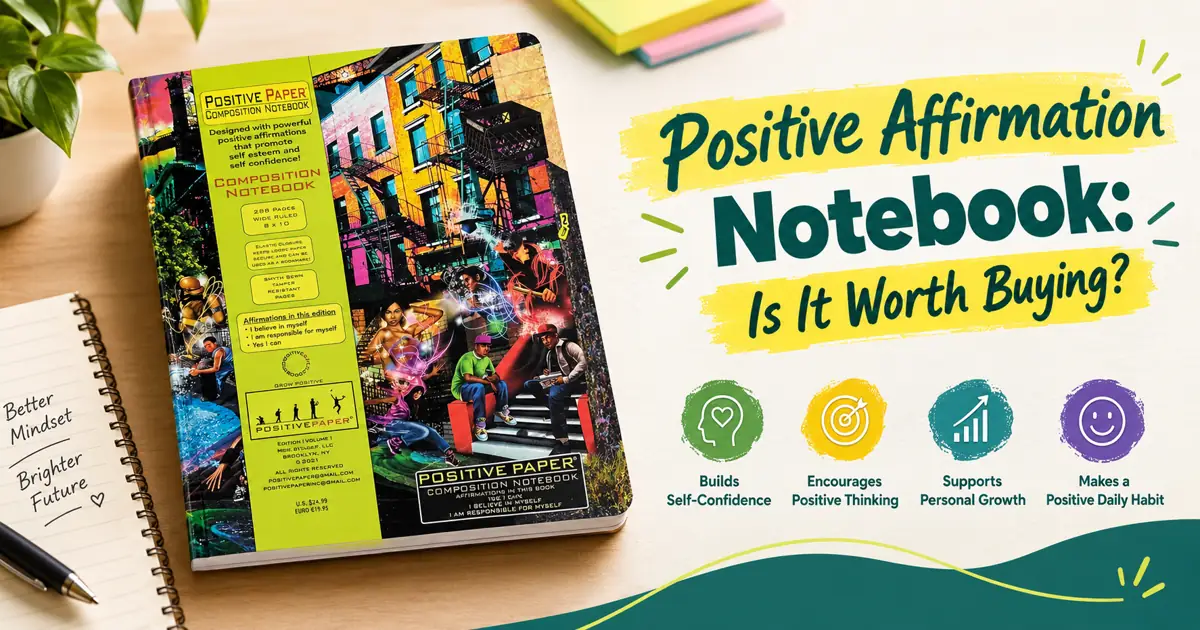
Tools like printed affirmation cards or a guided journal make it a habit rather than a one-off. And remember to pair the words with real effort you’ve noticed, so the affirmation matches the evidence. If you want more of this, growth mindset activities for kids builds on the same idea.
Frequently asked questions
Do affirmations work for kids?
Yes, when they’re specific and believable. Research on self-affirmation and positive self-talk shows benefits for confidence and stress. But vague, grandiose affirmations can backfire for children with low self-esteem, because they feel untrue. Realistic, effort-based affirmations paired with genuine praise work best.
What age should kids start affirmations?
As early as 2 or 3, using short, simple phrases like “I am kind” or “I can try.” Young children benefit from saying them together with you. As kids grow, the affirmations can become more specific and nuanced. There’s no wrong age to start.
What are good affirmations for a child with anxiety?
Calming, present-focused ones work best: “I am safe right now,” “This feeling will pass,” “I can take slow breaths,” and “My worries are not facts.” Keep them believable and gentle. For persistent or intense anxiety, affirmations aren’t enough, so speak with a professional.
How many affirmations should a child say a day?
Two or three is plenty. Consistency matters far more than quantity. A handful said every day at a fixed time, like bedtime or the school run, does more than a long list said once. Keep it short so it stays a habit, not a chore.
What’s the difference between affirmations and praise?
Affirmations are things a child says about themselves; praise is feedback you give them. They work best together. Pair an affirmation like “I don’t give up” with process praise about real effort, such as “I saw you keep trying.” That way the words match something true.
Help your child build real, lasting confidence
Affirmations are a great daily habit, but confidence is built through practice and small wins over time. If you want a step-by-step plan that goes beyond words, Raise an Unstoppable Child is a 30-day guide to building genuine resilience and self-belief, one small step at a time. You can also explore all our guides for kids and parents.
Written by the team at The Positive Paper, who create practical, easy-to-use guides for calmer, more confident family life. Learn more about us. This article is general wellbeing information, not medical advice. If you’re worried about your child’s anxiety or self-esteem, please speak with a qualified professional.




 16Sep
 21Sep
 28Sep
 01Oct
 02Oct
 by